
 HOME
 ABOUT US
 INSPECTION SERVICES
 YOUR REPORT
 TESTIMONIALS
 CONTACT US
 SCHEDULE INSPECTION
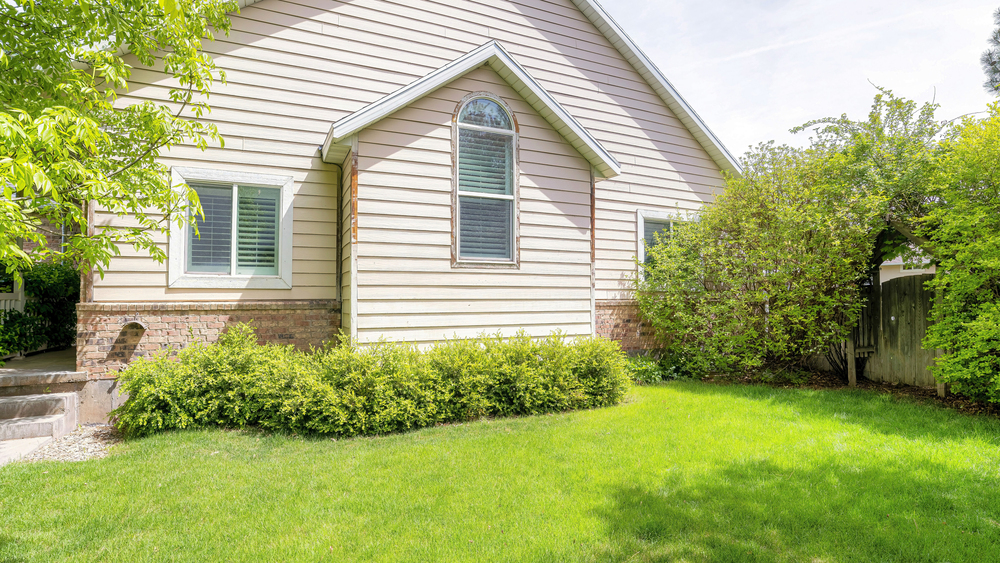
Vinyl siding is one of the most popular exterior materials on the Eastern Shore, and for good reason. It’s affordable, durable, and doesn’t need painting. But low maintenance doesn’t mean no maintenance, and the humid, storm-prone Delmarva climate takes its toll. Mildew, loose panels, cracks, and hidden moisture problems may develop slowly behind a surface that looks fine from the street. A little yearly attention keeps your siding looking good and protects the walls behind it. Here’s how to clean it, inspect it, and fix common problems.
How to Clean Vinyl Siding Safely
Dirt, pollen, algae, and mildew build up on vinyl, especially on shaded, damp sides of the house. A garden hose, a soft-bristled brush or long-handled cleaning brush, and a bucket of mild soapy water or a mix of white vinegar and water will handle most jobs. Work from the bottom up when scrubbing, and rinse from the top down so dirty water doesn’t streak the clean areas. Clean in small sections, and avoid direct sun so the solution doesn’t dry on the surface. Avoid abrasive cleaners and solvents, which could dull the finish. If you use a pressure washer, use low pressure, a wide spray, and aim downward, because forcing water up under the panels can soak the walls. Rinse nearby plants before and after cleaning, and use a ladder safely or hire someone for second-story areas. Test your cleaner in a hidden spot first, so you know it won’t discolor the vinyl.
Inspect for Cracks, Warping, and Loose Panels
Walk the house twice a year and look closely at each wall. Check for cracked or chipped panels, areas that are warped or buckled, and sections that rattle or have come loose. Warping often comes from heat reflected by nearby windows or from grills placed too close to the wall. Look at corners, J-channels, and trim for gaps, and around windows, doors, and where pipes and wires enter the house. Woodpeckers and insects can leave holes, too. Remember that vinyl siding is meant to move slightly as it expands and contracts, so it shouldn’t be nailed tightly. Small damage matters because it lets water behind the panels. Take photos of any damage, and mark panels that need repair so you can fix them in one visit. Check the soffits and fascia while you’re at it, since they share the same moisture risks.
Look for Moisture Problems Behind Vinyl Siding
Vinyl isn’t waterproof, and water can get behind it through gaps, cracks, or failed flashing. Once it does, it could feed rot, mold, and insects out of sight. Warning signs include bubbling or staining on interior walls, a musty smell, soft spots near windows, and sagging or bowing panels. Check the caulk around windows, doors, and penetrations, and make sure gutters and downspouts work so water doesn’t run down the wall. Trim shrubs so they don’t hold moisture against the siding. If you suspect hidden moisture, a professional can check with a moisture meter or infrared camera without removing siding. Pay special attention to lower walls near the ground, where splashing rain and sprinklers add extra moisture.
Make Simple Repairs and Know When to Replace
Many repairs are straightforward. For vinyl siding repairs, a siding removal tool lets you unlock a panel and replace a cracked or damaged one. When matching color, bring a sample, since older siding fades and a new panel may look different. Small holes can be filled with color-matched caulk or a patch kit. Refasten loose panels without nailing them tight. If damage is widespread, panels are brittle, or repairs keep recurring, it may be time to consider replacing sections or the whole wall. Siding typically lasts twenty to forty years, depending on quality and exposure, and a siding contractor can help you decide. If you have spare panels from the original installation, keep them, since they’ll match your color and profile exactly.
Frequently Asked Questions (FAQs)
How often should I clean vinyl siding?
Once a year is typical, and more often in shaded, damp areas where mildew grows quickly. Regular cleaning keeps stains from setting into the surface.
Can I pressure wash it?
Yes, with low pressure, a wide tip, and a downward angle. Don’t spray up under panels or too close, since water forced behind the siding could cause moisture problems.
Why is my siding wavy or buckled?
Causes include heat expansion, reflected sunlight from nearby windows, tight nailing, and improper installation. A contractor can help determine which applies.
How long does vinyl siding last?
Often twenty to forty years, depending on quality, installation, and exposure. Regular inspection helps you catch problems early and extend its life.
Can I paint vinyl siding?
You can with paint made for vinyl, but use colors similar to or lighter than the original, since darker colors absorb heat and can warp the panels.
Esham Inspections provides home inspections in Maryland and Delaware. Contact us to schedule our services.