
 HOME
HOME ABOUT US
 INSPECTION SERVICES
 YOUR REPORT
 TESTIMONIALS
 CONTACT US
 SCHEDULE INSPECTION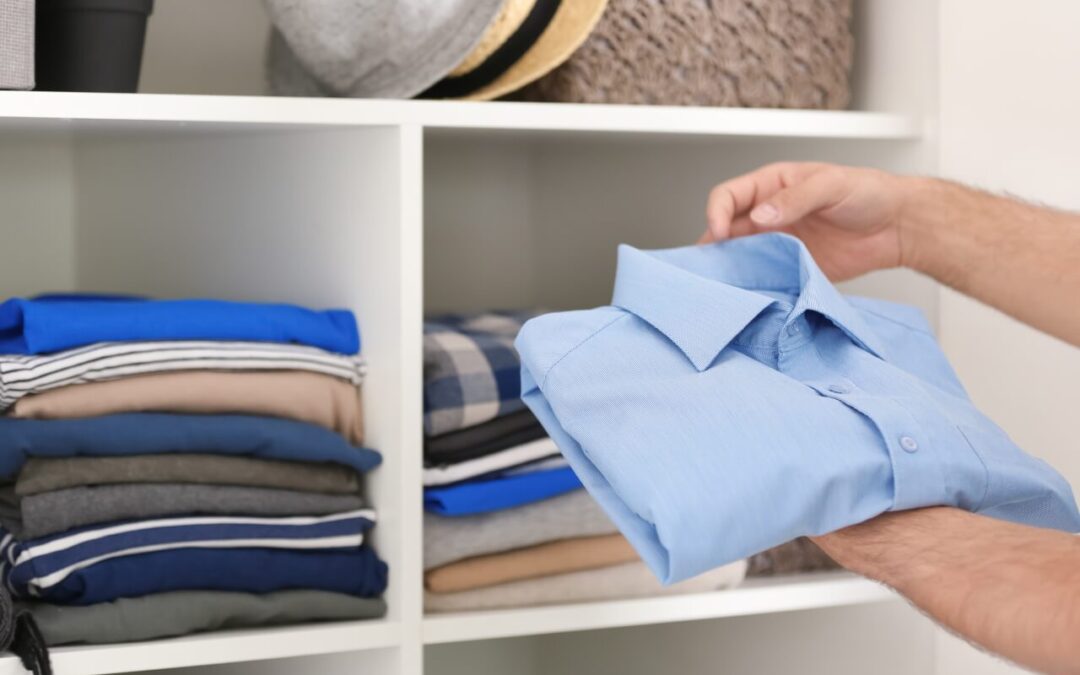
Closet organization is about creating a system that supports daily routines and makes every square foot count. For homeowners, closets often become catch-all storage spaces, gradually filling with clothing, shoes, seasonal décor, and miscellaneous household items. When closets are cluttered and inefficient, mornings feel rushed, and storage space throughout the home feels limited. The good news is that effective closet organization doesn’t require a full renovation. With the right approach, any closet can be transformed into a streamlined, practical space. A well-organized closet not only improves functionality but also enhances the overall feel of a home.
Why Closet Organization Matters for Homeowners
Closets are among the most frequently used storage areas in any house. When thoughtfully arranged, they simplify daily routines and protect belongings from damage. Proper organization maximizes vertical and horizontal space, making even smaller homes feel more spacious. For homeowners planning to sell in the future, organized closets make a powerful impression. Potential buyers often look inside storage areas to evaluate capacity. A tidy, well-structured closet signals that the home has been cared for and offers adequate storage. Beyond resale value, there’s also the mental benefit. Cluttered environments contribute to stress and decision fatigue. An organized closet reduces visual noise and makes it easier to find what’s needed quickly.
Closet Organization Starts with Decluttering
Every successful closet organization project begins with decluttering. Before investing in bins, shelves, or storage systems, everything should be removed from the closet. This allows homeowners to see the full space and assess what truly belongs there. Items that no longer fit, are damaged, or haven’t been used in over a year should be donated or discarded. Seasonal items can be stored elsewhere if space is limited. Decluttering creates a clean foundation and guarantees that only necessary belongings return to the closet. Once the excess is removed, it becomes much easier to categorize items by type. Clothing can be grouped by function, color, or season. Shoes, accessories, and linens can be sorted into clearly defined categories. This step sets the stage for a more strategic organization system.
Designing a System That Works
Effective closet organization relies on creating zones within the space. Hanging sections can be divided by garment length. Short-hanging items such as shirts and jackets could share one area, while longer garments like dresses and coats require more vertical clearance. Shelving is ideal for folded clothing, handbags, and storage bins. Adjustable shelves provide flexibility as storage needs change. Drawer inserts can keep smaller items such as belts, ties, and jewelry neatly separated. You should also take advantage of vertical space. Double rods, stackable bins, and overhead shelves will significantly increase storage capacity. Clear containers make it easy to see contents at a glance, reducing the likelihood of forgotten items. Lighting plays an important role as well. A well-lit closet enhances visibility and makes the space feel larger. Simple upgrades like LED strip lights or battery-operated fixtures will dramatically improve usability.
Small Closet Organization Solutions
Not every home has expansive walk-in closets, but smart closet organization will make even compact spaces highly functional. In smaller closets, uniform slim hangers create more room and maintain a clean appearance. Over-the-door organizers provide additional storage for shoes, accessories, or folded items without taking up valuable floor space. Hooks installed on unused walls can hold bags, scarves, or hats. Storage boxes that slide under hanging clothes utilize otherwise wasted space. The key to small closets is maintaining a balance between accessibility and density. Regular maintenance is especially important in tight spaces. A quick seasonal refresh prevents clutter from building up again.
Maintaining Organization Long-Term
The most effective closet organization systems are those that are easy to maintain. Simplicity is essential. When items have a designated place, it becomes easier to return them after use. A practical approach is to reassess the closet at the change of each season. Rotating seasonal clothing not only frees up space but also provides an opportunity to remove items that are no longer needed. This habit prevents accumulation and keeps the system functional. Labeling storage bins and keeping similar items together further supports long-term success. The goal is to create a closet that works with daily habits rather than against them.
When to Consider Professional Organization Help
For homeowners with large wardrobes or uniquely shaped closets, professional design services may be worth considering. Custom closet systems can be tailored to specific needs, incorporating built-in drawers, shelving, and specialized storage features. While professional solutions require an investment, they will significantly increase storage efficiency and home value. However, many closet organization improvements can be achieved with thoughtful planning and affordable storage accessories. The decision ultimately depends on budget, goals, and the level of customization desired.
Frequently Asked Questions (FAQs)
How often should closet organization be updated?
Closet organization should be reviewed at least twice a year, typically during seasonal transitions. This allows for rotation of clothing and removal of items that are no longer worn or needed.
What is the biggest mistake homeowners make with closet organization?
One common mistake is purchasing storage containers before decluttering. Adding organizers without first reducing excess items could lead to overcrowding and ineffective systems.
Is closet organization expensive?
Closet organization can be as affordable or as customized as desired. Simple solutions such as slim hangers, shelf dividers, and storage bins are budget-friendly.
How can small closets benefit from closet organization?
Small closets benefit significantly because efficient systems maximize limited space. Utilizing vertical storage, over-the-door organizers, and consistent decluttering helps small closets feel larger and more manageable.
Esham Inspections provides water testing and home inspections in Maryland and Delaware. Contact us to schedule our services.