
 HOME
HOME ABOUT US
 INSPECTION SERVICES
 YOUR REPORT
 TESTIMONIALS
 CONTACT US
 SCHEDULE INSPECTION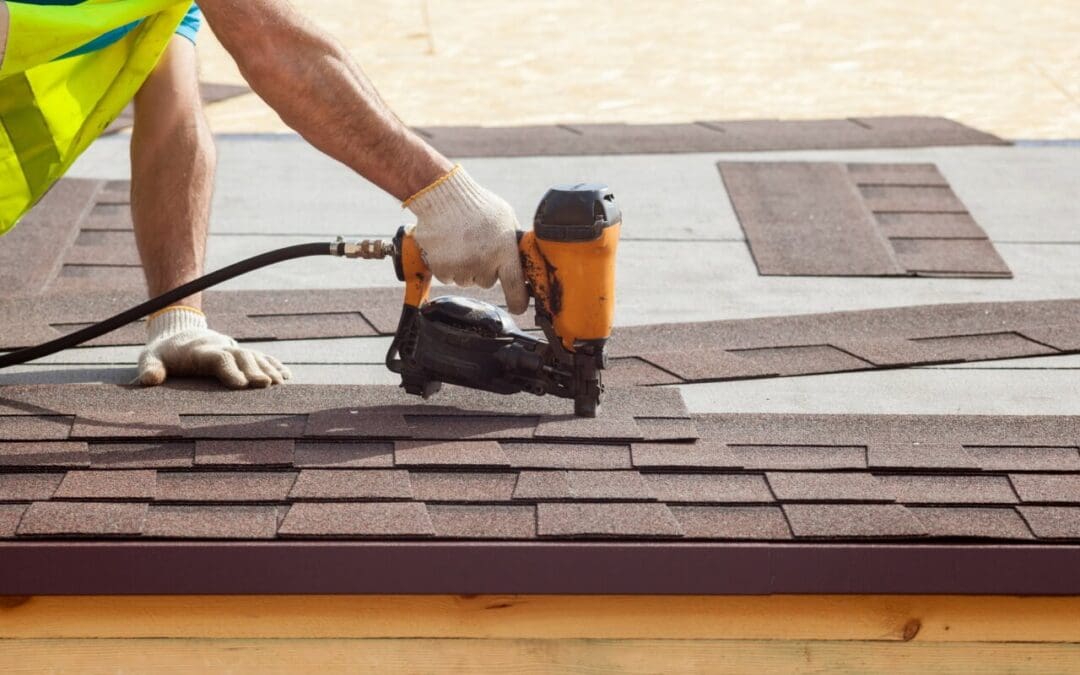
DIY home improvement is one of the most satisfying ways to invest in your property, until it goes wrong. Dangerous DIY mistakes could result in electrical fires, structural collapse, carbon monoxide exposure, falls from height, and other consequences that no savings on labor costs can justify. Understanding where the real risks lie is what makes a homeowner genuinely capable rather than dangerously overconfident.
Why Some Home Projects Fall Into the Dangerous DIY Category
The tasks that cross into dangerous DIY territory share a common characteristic: the consequences of an error aren’t immediately obvious, aren’t easy to reverse, and can affect the safety of everyone in the household. A poorly installed light switch may work perfectly until improperly connected wires cause an arc and start a fire inside the wall. A structural modification made without understanding load paths may hold fine until an unusual load triggers a collapse. These are failures that happen quietly and reveal themselves catastrophically. The other defining characteristic of dangerous DIY tasks is that the required expertise is about knowing what can go wrong that the instructions don’t cover. A licensed electrician knows which connections create fire hazards in specific conditions and how to test that the work is genuinely safe. That knowledge gap is where projects produce their most serious outcomes.
Electrical Work Is Among the Most Dangerous DIY Projects
Electrical work consistently tops the list of dangerous DIY tasks, and the risk extends well beyond the shock hazard everyone understands. Incorrectly wired outlets, circuits without proper ground fault protection in wet areas, and panels modified without understanding load implications create fire hazards that can smolder inside walls for months before igniting. Many electrical tasks require a permit, which means a licensed inspector verifies the work is safe. When homeowners do electrical work without permits, they bypass this safety check and may create a situation where the work isn’t covered by homeowner’s insurance if it causes damage. Adding circuits, modifying the main panel, installing new outlets in bathrooms or kitchens, or any work involving the service entrance belongs in professional hands. Replacing a light fixture on an existing, properly grounded circuit is generally manageable; everything beyond that carries escalating risk.
Structural Modifications Could Have Serious Consequences
Removing a wall, adding a load-bearing beam, modifying a roof structure, or altering a foundation are among the most dangerous DIY tasks precisely because the failure mode isn’t immediately visible. The wall that appears non-load-bearing may be carrying roof loads through indirect paths not obvious without a structural understanding of the entire building frame. Structural failures in residential construction can be sudden and catastrophic. Even modifications that seem minor could compromise structural integrity without engineering input. A structural engineer’s review for any wall removal or major opening is not optional.
Height Work Falls Into the Dangerous DIY Category
Falls are among the leading causes of serious residential injury and death, and roofing work involves all the conditions that make falls most likely: heights, sloped surfaces, materials that become slippery when wet, and movement across the roof while carrying tools. Even experienced roofers use safety equipment and harness systems. Beyond the fall risk, improper roofing work creates water infiltration vulnerabilities that may not appear until the next significant rain. Asphalt shingle replacement in a small, accessible area on a low-slope roof is a reasonable DIY task with appropriate precautions. Full roof replacement, steep-pitch work, or anything requiring flashings around penetrations belongs with professionals who have the equipment, training, and insurance to do it safely.
Frequently Asked Questions (FAQs)
How do I know if a home project is too dangerous to DIY?
The best test is whether the project involves electrical systems beyond simple fixture replacement, structural modifications of any kind, gas lines, roofing on anything other than a very low slope, or work requiring a permit. If a permit is required, professional involvement is almost always warranted.
What are the most common injuries from dangerous DIY projects?
Falls from ladders and roofs, electrical shock and arc burns, lacerations from power tools, and back injuries from improper lifting are the most frequent. The most serious outcomes occur in electrical work, roofing, and structural modifications.
Is DIY electrical work legal?
In most jurisdictions, homeowners are legally permitted to do electrical work on their own property, but most also require permits for work beyond simple fixture replacement, and permitted work requires inspection. The legality of the work and the safety of the work are two different questions.
What should I do before starting any potentially dangerous DIY project?
Research the task thoroughly. Pull any required permits before starting. Have appropriate safety equipment on hand and a plan for what to do if something goes wrong. And honestly assess whether your skill level is genuinely adequate for the specific task.
How do I find a trustworthy contractor for work?
Ask for referrals from neighbors, friends, or a real estate agent who sees a lot of contractor work. Check licensing status on your state’s contractor licensing board website. Verify that the contractor carries liability insurance and workers’ compensation. Get at least two to three quotes and be cautious of the lowest one. Significantly underpriced work often signals unlicensed operation, shortcuts in materials, or an intention to change the price upward after work begins.
Esham Inspections provides water testing and home inspections in Maryland and Delaware. Contact us to schedule our services.